Section 1: The Current Landscape
In the world of drinks The world of drinks is witnessing a silent revolution taking place, and it’s altering how we consume our beverages. The customary practice of alcohol-based beverages dominating social gatherings is witnessing a transformative shift which is evident particularly in regions like the European Union (EU) and the United Kingdom (UK). Non-alcoholic or alcohol-free spirits are carving out a niche for themselves in the market, and their growth trajectory is truly remarkable.
A booming market
The market for alcohol-free spirits within the EU and the UK has experienced a massive growth. No longer are the days where people who did not drink or wanted more healthful alternatives were restricted to sparkling water or soft drinks that were sugary. Today, an array of alcohol-free liquors fill the shelves of supermarkets and bars, catering to a clientele who wants sophistication but without high.
Growth and Market Trends
To grasp the magnitude of this change, let’s go over some data. Recent market studies have shown that the EU in addition to the UK alcohol-free spirit market is predicted to increase to a value of [bold]a.X. billion[/bold] in [bold]20XX[/bold]. The growth in this market is not an outlier, but a testament to changing consumer preferences.
Principal Players as well as Their Contributions
The market’s ascent owes much to the trailblazing efforts of key players like [bold]Seedlip[/bold], [bold]Borrago[/bold], and [bold]Lyre’s[/bold], among others. These companies have taken the art of making alcohol-free spirits to new heights and have created drinks that capture what traditional spirits are all about, but without the alcohol in the mix.
Consumption Preferences and New Brands
The growth of alcohol-free spirit is inextricably linked with changing preferences of consumers. Today’s consumer is more health-conscious informed, thoughtful, and socially aware. They are looking for drinks that align with their values. alcohol-free spirits match perfectly. In addition, consumers are looking for distinctive, palate-pleasing alternatives to traditional alcohol-based drinks.
With the increase in demand for consumer goods as a plethora of new brands have sprung up to satisfy the increasing demand. They are distinguished by innovation, authenticity, and unwavering dedication to high-end quality.
Interesting Possibilities
This explosive growth, caused by a shift in consumer behaviour, presents intriguing possibilities for businesses looking to tap into the EU as well as the UK drinks market, which is alcohol-free. The potential is enormous but in order to tap into it effectively, one has to first understand the motives for this dramatic change.
In the next section We’ll take a look at the driving factors, examining how they are driving the expansion of spirits that are alcohol-free and what that means for businesses hoping to succeed in this new and exciting market.
In Section 1 in Section 1, we’ve laid out the basis by discussing the current state of the EU and UK the alcohol-free spirit market. We’ve examined the size of this market important players, its structure and the shift in consumer preferences. In Section 2, we’ll explore the driving factors behind the market’s phenomenal growth.
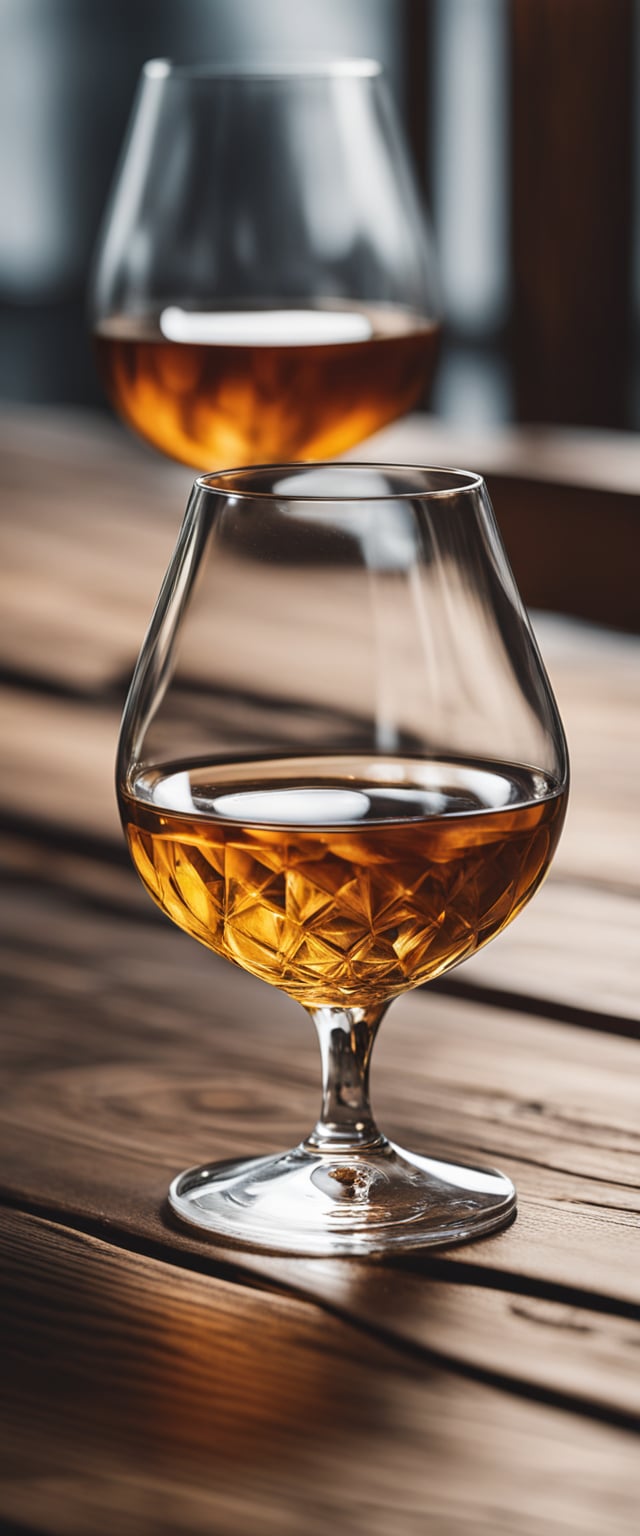
What’s driving the massive expansion in the EU as well as UK alcohol-free spirit Market?
2. Uncovering the Forces Driving Forces
In our first article in which we delved into a trip through the new industry of alcohol-free spirit in the EU as well as the UK. The industry’s incredible growth gives a clear picture of its potential, but what’s behind the change? In this segment we’ll look into the factors that drive this growing industry.
1. Current Health and Wellness Issues
UnpredictablyHealth-conscious consumers are redefining their drink choices. Bold Concerns regarding the adverse effects that alcohol consumption on health have prompted many to seek alternatives that allow them to take a drink and not compromise their overall health. Alcohol-free spirits are catering to the growing population by providing consumers a healthier and more satisfying option. The terms “low ABV” (alcohol by volume) and “zero-proof” have become buzzwords in the health & fitness sphere, suggesting significant changes in consumer preferences.
2. The Social Dynamics Are Changing Social Dynamics
As society evolves, so do our social dynamics. Traditional rules of heavy drinking as the foundation of social gatherings are disappearing. Today, people are seeking greater diversity and more inclusive experiences. Alcohol-free spirits enable everyone to enjoy the celebrations without feeling excluded. They encourage a sense inclusiveness that is in line with the modern ethos of socializing.
3. The Rise of Mixology and Craft Cocktails
ItalicCraft cocktail culture has become a global phenomenon. Italic The technique of mixing drinks has developed beyond alcohol drinks, with bartenders as well as people interested in the artistic possibilities of spirits that are alcohol-free. Delicious and complex cocktails are crafted, redefining the possibilities of cocktails. The variety of these spirits allows mixologists the ability to experiment using a myriad of flavors. This has led to an explosion in non-alcoholic drinks.
4. Affirmative Action
Regulations and policies of the government can play a significant role in shaping the industries. In recent years the regulatory institutions in the EU and the UK have shown an openness to facilitate and aid the growing popularity of alcohol-free spirits. This includes more clear requirement for labeling, which enables these items to communicate more clearly regarding their ingredients and the benefits. These measures increase trust among consumers.
5. Environmental and ethical concerns
The desire for sustainability or ethical eating is not a flimsy movement but is a trend that is global. Alcohol-free spirits generally align with these goals. They are produced using less carbon footprint as compared to traditional spirits. They are generally vegan-friendly. Sustainable practices for sourcing ingredients and fair trade principles further increase their appeal.
6. The evolution of taste preferences
Consumer palates have evolved, in search of unique and distinctive tasting experiences. Alcohol-free spirits are responding to the demand by offering a wide assortment of options. From botanical-infused alternatives to alcohol-free whiskey that mimics the smoky flavors of the original and caters to an elegant taste profile. Customers are no longer willing to compromise on flavor, and alcohol-free spirits have been up to the task.
7. Marketing and branding
Effective marketing and branding has played an integral role in promoting awareness of spirits without alcohol. Brands that successfully communicate their products’ quality flavor, taste, and health benefits have enjoyed a thriving. Innovative marketing campaigns and endorsements of influencers have attracted large audiences, inspiring curiosity and boosting sales.
8. Accessibility
The accessibility to alcohol-free spirits has grown dramatically. They can be found in restaurants, bars, as well as retail stores. Online shopping platforms have also played a crucial role in making these products accessible to all consumers, no matter their physical location.
9. Competitive Pricing
As the demand for spirits has increased, there has been a rise in competition. This has led to competitive pricing, which has made alcohol-free spirits an affordable option for a more diverse range of consumers.
What’s Next?
As we’ve noted, a number of elements are driving the rapid growth in the EU and UK alcohol-free spirit market. In the following section we’ll take a look at the challenges and opportunities businesses are likely to encounter as they move through this changing landscape.
As we discussed in section 2 we’ve examined what drives the increase in alcohol-free spirits in the EU and the UK. Now, in Section 3, we will look at the challenges and opportunities businesses operating in this space are likely to confront.
Your Go-To for Bulk Non-Alcoholic Spirits: Direct Orders from Swedish Distillers!
Understanding the challenges and opportunities in the EU and UK Alcohol-Free Spirit Market
Chapter 3: Road Ahead
In the prior sections we’ve looked at the staggering growth and the driving forces behind that EU and UK spirits that are alcohol free. It’s obvious that the market is on an upward trajectory However, what’s ahead? In this section we’ll go through the obstacles and opportunities companies in this industry are likely to encounter.
Challenges
1. The Regulatory Hurdles
While the support of regulatory agencies is an essential factor, navigating the evolving landscape of regulations is a major challenge. It is essential to comply with labeling regulations and ensuring the responsible promotion of alcohol-free spirits is important. Businesses must monitor any regulatory updates.
2. Consumer Education
Many consumers are still unacquainted with the concept of alcohol-free spirits. Information to potential customers on the benefits, flavor options, and flexibility of these spirits is vital. Brands should invest in marketing campaigns that highlight the advantages of their products.
3. Competition
With the industry continuing to expand as competition gets more intense. Brands have to stand out and continually innovate to remain relevant. This includes launching new flavors, enhancing packaging and exploring different distribution channels.
4. Scaling Production
In order to meet the increasing popularity of alcohol-free spirit could be challenging for smaller producers. Production scaling while maintaining quality is critical to keep up with market demand.
5. Taste perception and Quality
Removing the stigma that alcohol-free spirits may lack the richness of flavor or the same quality as alcohol-based spirits is a constant challenge. Brands should invest in the research and development process to produce beverages that compete with their alcohol peers in quality and taste.
Opportunities
1. Diverse Flavor Profiles
The need for various flavors is a major opportunity. Brands have the opportunity to experiment with various exotic and novel ingredients to develop unique and attractive alcohol-free spirits.
2. Health and Wellness Focus
Continued alignment with trends in health and wellness is a huge chance. Brands can benefit from the health benefits associated with alcohol-free spirits with a focus on energy levels and less hangovers, as part of their marketing strategies.
3. Collaborations and Mixology
Collaborations with bars, restaurants and mixologists may help introduce alcohol-free spirits to a broader market. Brands can collaborate with professionals to develop delicious and exciting cocktails that are not alcoholic.
4. Sustainability
Incorporating sustainability and ethical methods of sourcing can be a strong selling point. People are more interested in products that reflect their values.
5. Direct-to consumer sales and E-commerce
As e-commerce grows in popularity companies can extend their reach beyond physical stores. Establishing a strong online presence and offering direct-to-consumer sales could be an important game changer.
What’s Next?
As we’ve learned, the road ahead for businesses on the EU and UK alcohol-free spirit market is filled with both challenges and exciting opportunities. In the coming section, we’ll examine strategies that will help you be successful in this competitive landscape while ensuring your business remains ahead.
In section 3, we’ve reviewed the opportunities and challenges that lie ahead for businesses in these markets. EU and UK in the market for alcohol-free spirits. In Section 4, we will delve into how to make the most of this fast-changing industry.
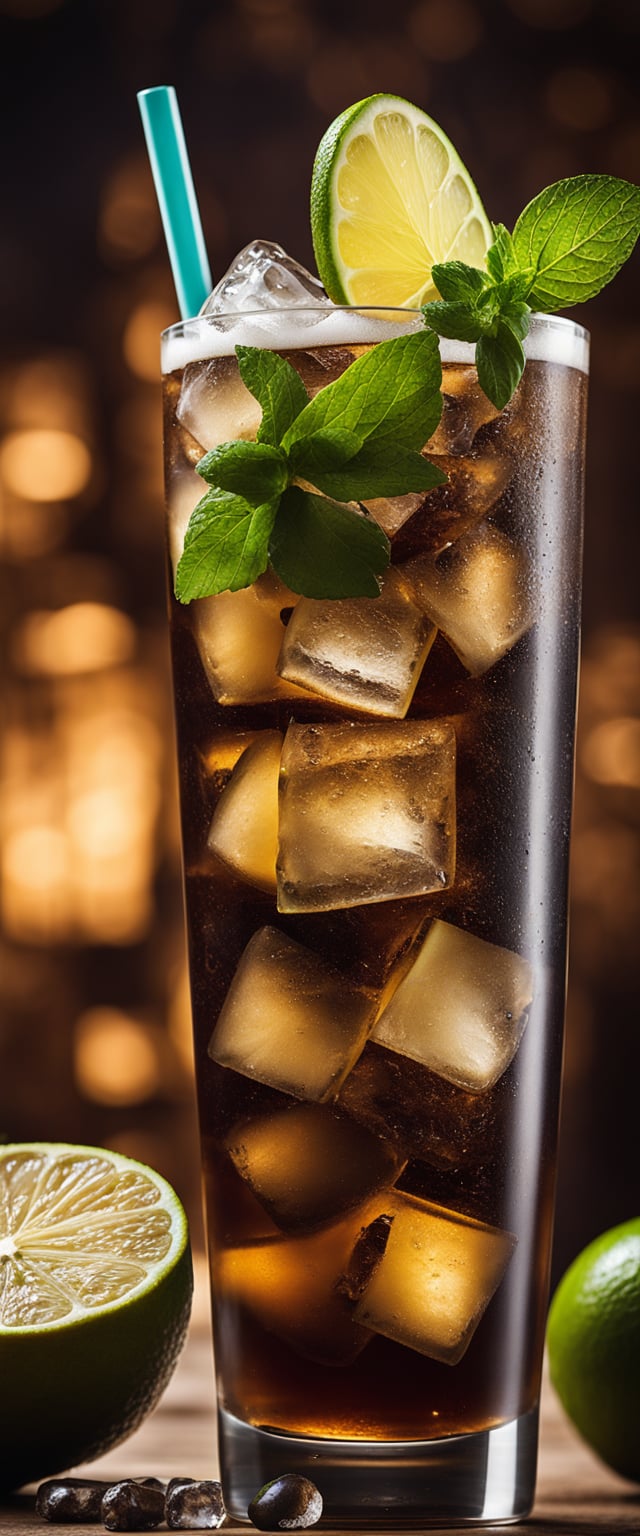
Strategies to be Successful in the EU and UK Alcohol-Free Spirit Market
4. Navigating the Competitive Landscape
When the EU as well as the UK alcohol-free spirit market continues to grow it is essential for businesses to manage the competitive landscape efficiently. In this section we’ll go over ways and methods for ensuring your brand’s reputation is built within this fast-paced and ever overcrowded market.
1. Product Innovation
In a world flooded by products, innovation is your weapon. Continuously research and develop new flavors and product lines to draw attention of consumers. Create unique ingredients and blends that stand apart. You can consider incorporating botanicals, herbs and exotic fruit to create unique or memorable spirit that is alcohol-free.
Pro Tip Conduct surveys with your customers and gather feedback so that you can understand what they like and expect. Take this information and tailor your product development efforts.
2. Brand Differentiation
Being able to stand out in a environment requires having a convincing brand story and a distinctive identity. Showcase what makes your brand unique and explain why consumers are likely to choose alcohol-free spirits in preference to others. Highlight aspects such as your commitment to sustainability, quality, and ethically sourced products.
Pro Tips Make a compelling brand story that resonates with the customers. Create stories that tell about your brand’s background, the values it holds, and the craftsmanship behind your products.
3. Collaborations and Partnerships
Collaborations can provide a fresh perspective and broaden your reach. Join forces with restaurants, bars as well as mixologists to create special cocktails without alcohol that feature your product. These partnerships will expose your brand’s image to a greater public and draw on the knowledge of industry experts.
Tips When collaborating make sure that your brand values are in line with the values of your collaborators making authentic and lasting connections.
4. Electronic Commerce and Digital Marketing
A well-established online presence is an absolute requirement in today’s marketplace. Consider investing in a responsive website and enhance it to be a perfect fit for e-commerce. Leverage social media platforms for interaction with your target audience to share interesting cocktail recipes and conduct targeted ad campaigns.
Pro Tips Utilize data analytics to understand your online audience more effectively. Develop your content and strategies to match their preferences and habits.
5. Consumer Education
The process of educating consumers on the benefits and versatility of alcohol-free spirits is pivotal. Develop informative content using blogs, webinars, along with social media. Offer virtual tasting sessions to showcase your products. A consumer who is educated will be more likely to be able to appreciate how valuable your offerings.
Pro Tips: Develop FAQs and guides to respond to the common consumer queries about spirits that are alcohol-free. Use them as a resource to help consumers make educated decisions.
6. Sustainability and ethical practices
Nowadays, consumers are more aware about the environmental impact and ethical choices. Take advantage of these principles by sourcing ingredients in a responsible manner, reducing your carbon footprint and donating to charitable initiatives. Be sure to emphasize your commitment towards sustainability by highlighting sustainability in your branding.
Pro Tip Use the opportunity to share your sustainability work in a transparent fashion on your website and on social networks. Transparency builds trust with consumers.
What’s Ahead
In Section 4 In Section 4, we’ve discussed key strategies for navigating the competitive landscape of the EU and UK alcohol-free spirits market. But the journey doesn’t end here. In the next section we’ll examine more long-term growth strategies. We’ll also look at what the future holds for this thriving industry.
As we end Section 4, we’ll look at what’s happening in the EU and UK spirits market that are alcohol-free in Section 5. In the next segment we’ll explore the long-term growth prospects and future trends shaping this dynamic industry.
Section 5: Its Future EU and the UK Alcohol-Free Spirit Market
The journey through the vibrant realm of alcohol-free spirit in Europe and the UK. EU and UK closes with our final section. In this segment we’ll glimpse into the future as well as explore the long-term growth prospects and emerging trends that are influencing the landscape of this exciting industry.
The Market that is Growing
As we’ve seen in the previous articles, the alcohol-free Spirit market across the EU and UK has seen an exponential increase in the last few years. The demand for sophisticated, alcohol-free alternatives is no longer a trend but a fundamental shift in consumer preferences. This phenomenon is expected to keep growing.
Principal Drivers of Growth
Numerous factors contribute to the continuing growth of market for alcohol-free spirits:
-
Health and Wellness: As consumers become more conscious of their health and wellness, they are seeking alternatives that allow them to drink mixed drinks and cocktails without the negative side effects of alcohol.
-
Innovative Products: The market will see the continuous growth of innovative and diverse alcohol-free spirit products. Brands will look to explore different flavor profiles, ingredient combinations as well as production techniques.
-
Mixology Culture: The rise of mixology culture and craft cocktails is increasing the demand for top-quality alcohol-free spirits. Mixologists and bartenders are making elaborate non-alcoholic concoctions, thereby growing the popularity of these beverages.
-
Sustainability: Sustainable and ethical practices are growing in importance. Brands who place sustainability at the forefront of packaging, ingredient source, and production will gain an advantage.
Consumer Education and Awareness
The future of the alcohol-free spirit market is dependent on the knowledge of consumers. As more consumers are aware of the options available, they’ll seek information regarding how they can use alcohol-free spirits in cocktails, accompany them with food and incorporate these into their lifestyles.
FAQs About Alcohol-Free Spirits
Q1 Can alcohol-free spirits be truly alcohol-free?
A1: Yes, alcohol-free spirits contain zero or a minimal amount of alcohol, typically less than 0.5% ABV (alcohol through volume). This means they are inedible and free of the alcohol-related effects that are present in alcoholic beverages.
Q2: Can I make alcohol-free spirits work for cocktails?
A2: Alcohol-free spirits can be used to make base cocktails, much like traditional spirits. They can be used in classic cocktails such as Mojitos, Cosmopolitans, and Negronis. Experimentation is encouraged to create unique drinks that are not alcoholic.
Q3: Do alcohol-free spirits taste exactly like alcohol-based spirits?
A3: Many alcohol-free spirits aim to imitate the taste traditionally distilled spirits. While some get close to traditional spirits, the flavor can differ among brands and products. It’s a good idea to research different alternatives to find the flavor that you prefer.
What is the Role of Technology
Technology will play a pivotal factor in the future of this industry. E-commerce platforms and online sales will continue to increase providing consumers with a convenient option to purchase alcohol-free spirits. Brand experiences, virtual tastings, and personalized recommendations based on AI are expected to increase engagement of customers.
End: Thriving Future
In this series, we’ve traversed the dynamic and diverse landscape on the EU and UK market for alcohol-free spirits. From its inception and early history to innovation in product design, marketing strategies, and market’s competitive landscape, we’ve explored the many facets of this ever-growing industry.
As we wrap up this study, it’s apparent that the alcohol-free spirit market is not just a fashion; it’s a movement reshaping how we think about and consume beverages. With a focus on quality innovation, sustainability, and consumer education, brands can thrive in this exciting marketplace.
We thank you for taking us on this journey into the world that’s alcohol-free. No matter if you’re an established brand seeking to create a mark or a person looking for unique choices There’s a endless opportunities in this lucrative sector.
We hope that you find this article informative and inspiring. This is the time to look ahead to spirit that is alcohol-free in the EU and UK!
Leave a Reply